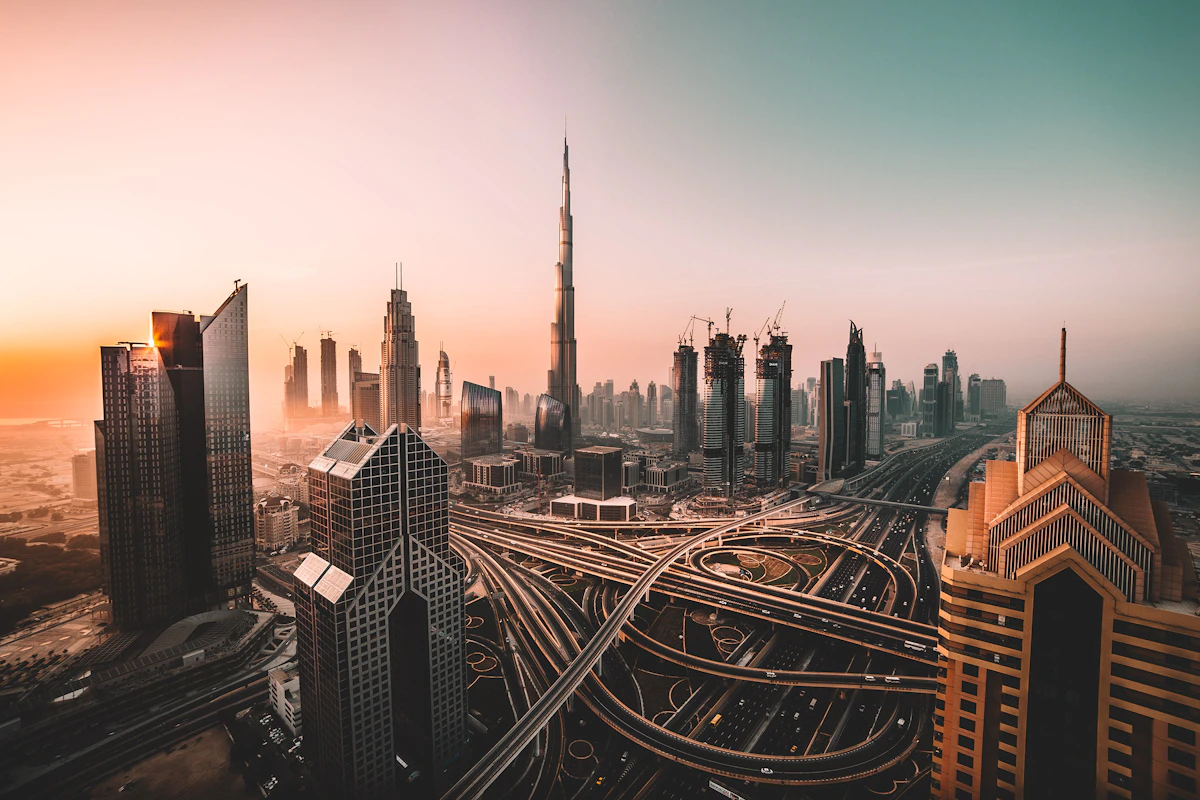
Dubai has transformed into one of the world's most visited tourist destinations — a city of superlatives where everything is bigger, taller, and more ambitious. The Burj Khalifa, the Palm Jumeirah, the desert safari experience, the world-class shopping, and the extraordinary hospitality draw tens of millions of visitors annually. What many don't know until they apply for their visa: the UAE requires proof of comprehensive travel insurance as part of the tourist visa application process.
UAE Tourist Visa Insurance Requirement
The United Arab Emirates introduced mandatory travel insurance for tourist visa applications through the Federal Authority for Identity and Citizenship (ICA). Visitors applying for UAE tourist visas must show proof of insurance meeting minimum standards:
- Medical coverage valid for the UAE
- Emergency medical evacuation/repatriation coverage
- Policy issued by an approved insurance provider
- Coverage active from the first day of the visa
IATI's insurance certificate is accepted for UAE tourist visa applications at consulates and online visa portals. The certificate clearly states the coverage amounts, policy period, and included benefits in the format required by UAE immigration authorities.
Healthcare in Dubai and the UAE for Tourists
Dubai and the UAE have invested heavily in healthcare infrastructure. The Dubai Health Authority (DHA) oversees a network of both public (government) and private hospitals. For international tourists, the private hospital network — Dubai Hospital, Mediclinic City Hospital, American Hospital Dubai, Aster Hospital — provides world-class care at world-class prices.
Healthcare costs in Dubai for tourists without insurance:
| Medical situation | Estimated cost (USD) |
|---|---|
| Emergency room visit | 500–2,000 |
| Hospital stay per night | 800–3,000 |
| Appendectomy (full treatment) | 15,000–40,000 |
| Cardiac event, ICU | 30,000–100,000 |
| Medical repatriation | 25,000–80,000 |
UAE-Specific Travel Risks
Heat-related illness: Dubai summers (June–September) regularly reach 45–48°C. Heat stroke and severe dehydration are genuine risks for tourists who underestimate the intensity of the Gulf summer. IATI covers treatment for heat-related emergencies.
Desert safari accidents: Dune bashing in 4x4 vehicles is one of Dubai's most popular tourist activities. The combination of extreme terrain, high-speed driving, and sometimes inexperienced commercial operators creates accident risk. Falls from camels, ATV rollovers, and vehicle incidents during desert safaris are treated as standard accidental injury under IATI.
Swimming in the Arabian Gulf: Jellyfish season (July–October) brings painful stings from various species. Strong currents at unguarded beaches outside the resort areas. IATI covers treatment for jellyfish stings and water accidents.
Alcohol and the law: Alcohol is legal in licensed venues in Dubai but illegal in some other Emirates (Sharjah is alcohol-free). Public intoxication is illegal throughout the UAE. IATI covers medical emergencies regardless — but criminal charges from alcohol violations are not covered by any insurance.
Dubai Mall and skyscraper activities: The Burj Khalifa observation deck, water parks (Aquaventure at Atlantis, Wild Wadi), and activity parks create the typical urban adventure risk profile. IATI Standard covers all recreational activities at standard tourist venues.
Dubai's Legal Environment: What Travelers Must Know
The UAE has laws that differ significantly from Western norms. Travel insurance cannot protect you from legal consequences — only physical medical consequences. Key points:
- Photographing people without consent can be a criminal offense
- Public displays of affection are legally restricted
- Drugs (including some prescription medications in other countries) can result in lengthy prison sentences
- VPN use in the UAE is in a legal grey area — check current status
- Social media posts critical of the UAE, UAE royals, or government can result in criminal charges
None of these are covered by travel insurance. IATI covers medical events — injuries, illnesses, and the physical consequences of accidents. Legal assistance, criminal defense, and bail are separate products entirely.
Abu Dhabi, Sharjah, Ras Al Khaimah: Beyond Dubai
The UAE comprises seven Emirates, each with slightly different rules and character. Abu Dhabi (home of the Louvre Abu Dhabi, Ferrari World, and Sheikh Zayed Grand Mosque) has similar tourist infrastructure to Dubai. Ras Al Khaimah is popular for adventurous tourism: Jebel Jais, the UAE's highest peak, has the world's longest zip line (2.83km). IATI covers zip line accidents at Jebel Jais.
Sharjah is the most conservative Emirate — no alcohol whatsoever, strict dress codes in public. Visitors staying in Sharjah (notably common for budget travelers since Sharjah airport has many low-cost carriers) should be particularly aware of local regulations.
Get Your IATI Quote — Instant Certificate
Medical coverage from €50,000, zero upfront payment, 24/7 telemedicine, and an instant PDF certificate accepted by embassies worldwide.
Get your free quote →