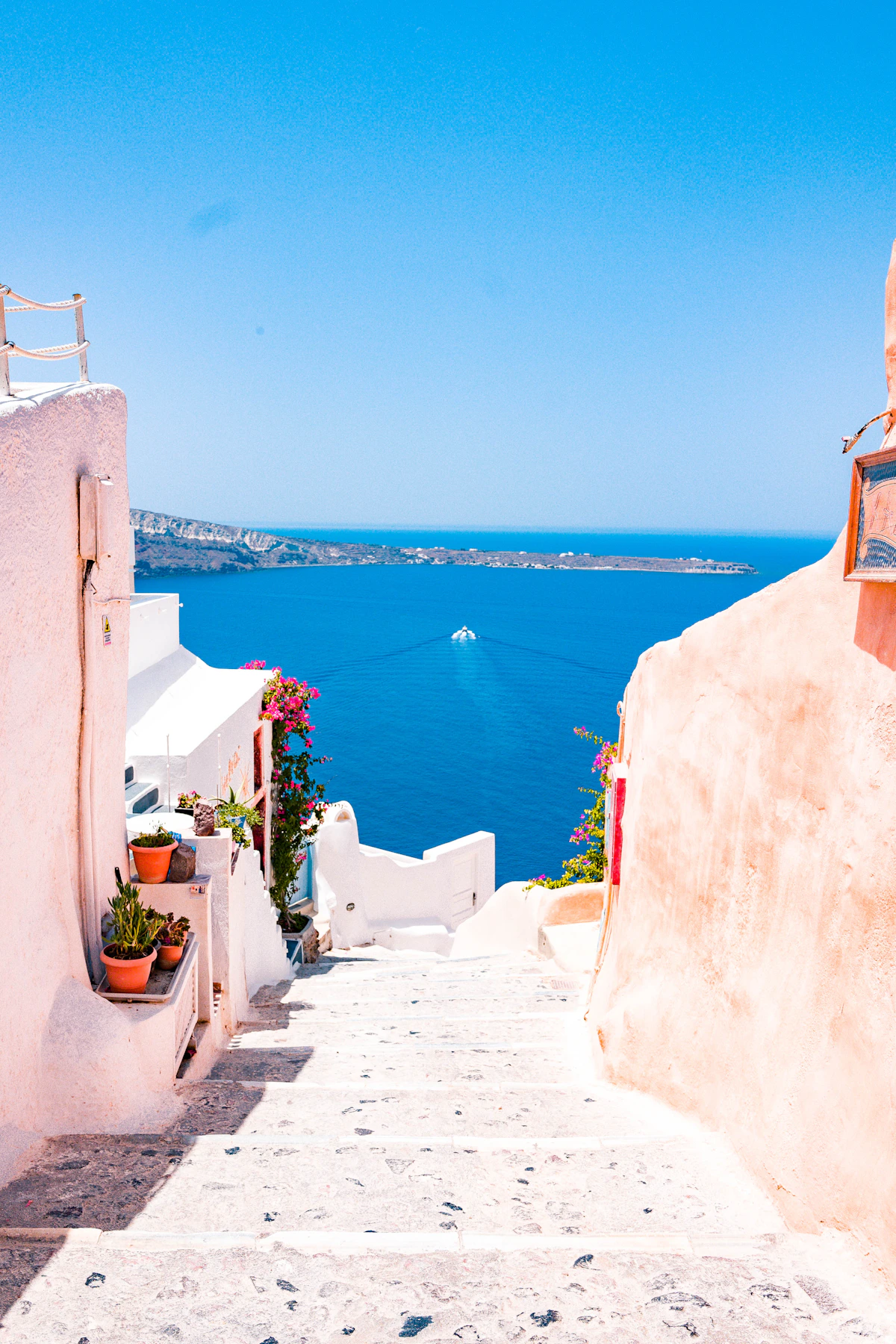
Greece receives tens of millions of visitors annually — drawn by the Aegean islands, Santorini's caldera views, Mykonos' beaches, Athens' ancient monuments, and the crystalline waters of Crete and Rhodes. It is also a Schengen Area member, meaning travelers from many countries outside the EU need both a visa and travel insurance meeting Schengen minimums. And for all travelers, Greece's island geography creates specific medical access challenges that make coverage particularly important.
Greece and the Schengen Insurance Requirement
Greece joined the Schengen Area in 2000. For travelers requiring a Schengen visa — citizens of many Middle Eastern, African, Asian, and some Latin American countries — the standard Schengen insurance requirements apply:
- Minimum €30,000 medical coverage (IATI Standard provides €150,000)
- Must include emergency repatriation
- Valid for all Schengen member states, not just Greece
- Coverage period must match the visa dates exactly
Greek consulates process a large volume of Schengen visa applications, particularly from Egypt, India, and Southeast Asia. IATI's certificate is accepted at all Greek consulates as compliant with Schengen requirements.
Healthcare in Greece: The Island Challenge
The Greek mainland has adequate to good medical infrastructure in Athens and Thessaloniki. The situation changes dramatically in the islands: while larger islands like Crete, Rhodes, Corfu, and Mykonos have hospitals, smaller islands may have only a basic health center (Kentro Ygeias) that can handle minor issues.
For serious emergencies on smaller islands:
- Coast Guard or EKAV helicopter evacuates to the nearest hospital
- Ferry transfer to larger island hospital (1–6 hours depending on location)
- Helicopter transfer to Athens for major trauma or cardiac events
All of these transfer costs are significant. IATI covers emergency medical transport between Greek islands and to mainland Greece.
Medical Costs in Greece for Non-EU Tourists
| Medical situation | Estimated cost (€) |
|---|---|
| Private clinic visit, Athens | 150–400 |
| Emergency room, public hospital (non-EU) | 300–1,000 |
| Hospital stay per night, private | 600–2,000 |
| Helicopter transfer between islands | 3,000–10,000 |
| ATV accident, surgery | 5,000–20,000 |
| Repatriation to non-EU country | 20,000–60,000 |
Greece's Biggest Tourist Risks in Detail
ATV and scooter accidents on islands: The number one cause of tourist hospitalization in Greece. Rental ATVs on Mykonos, Santorini, and Paros are involved in accidents daily during peak season. Uneven cobblestone roads, unfamiliar vehicles, and sometimes alcohol consumption create a dangerous combination. IATI covers ATV and scooter accidents for travelers with the appropriate driving license.
Santorini caldera and cliffs: Santorini's famous cliffs are beautiful but treacherous. The paths between Fira and Oia are uneven and sometimes steep. Falls from cliff paths, while not common, do occur — especially at dusk when groups are attempting sunset photographs from precarious positions.
Ferry travel: Greece has an extensive ferry network connecting hundreds of islands. Rough seas are common in the Aegean, particularly outside peak summer. IATI covers accidents and medical emergencies during ferry travel.
Water sports and diving: Crete, Rhodes, and Corfu have established scuba diving operations. Water sports (jet skiing, parasailing, banana boats) are offered at most beach resorts. IATI Standard covers recreational water sports.
Heat and sun in August: Athens in July-August regularly exceeds 40°C. Heat exhaustion and sunstroke are common among tourists exploring the Acropolis and other unshaded ancient sites during midday. IATI covers heat-related medical emergencies.
Jellyfish season: The Mediterranean jellyfish season (June-August) sees periodic blooms of Portuguese man-o-war (Physalia physalis) — technically a siphonophore, not a true jellyfish — which can cause severe allergic reactions requiring emergency treatment.
Island-Specific Coverage Notes
Santorini: The island's caldera activity is monitored but not currently threatening to tourists. The unique geography creates logistics challenges for emergency response. The nearest major hospital is in Thira (the main town) — smaller islands nearby (Thirassia, Aspronisi) have no medical facilities.
Mykonos: Party environment with associated risks (dehydration, alcohol-related incidents, nighttime accidents). The island's hospital handles tourist emergencies regularly. IATI coverage applies in all these contexts.
Crete: Greece's largest island with the most complete medical infrastructure outside Athens. University Hospital of Heraklion handles major trauma. Gorge hiking (Samaria Gorge, Imbros Gorge) is popular — ankle injuries on rocky terrain are common.
More remote islands (Kastellorizo, Tilos, Folegandros): These beautiful, less-visited islands have minimal medical infrastructure. For serious emergencies, helicopter evacuation to Rhodes, Thira, or Athens is the only option. IATI covers this evacuation.
Get Your IATI Quote — Instant Certificate
Medical coverage from €50,000, zero upfront payment, 24/7 telemedicine, and an instant PDF certificate accepted by embassies worldwide.
Get your free quote →