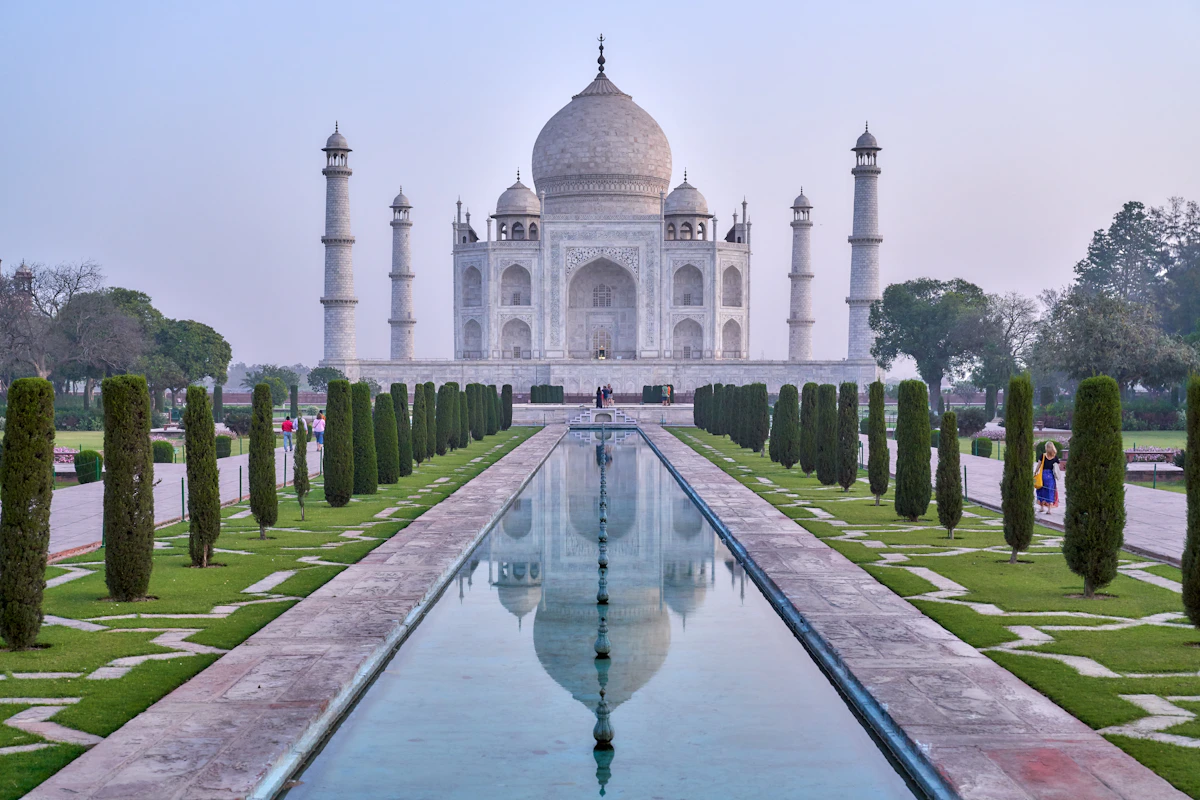
India is unlike any destination on Earth — simultaneously ancient and modern, chaotic and serene, overwhelming and profoundly beautiful. The Taj Mahal, the ghats of Varanasi, Rajasthan's desert forts, Kerala's backwaters, and the Himalayan peaks of Ladakh draw millions of international travelers every year. India also presents a unique health challenge: the subcontinent's food, water, and air quality create health risks that are different in character from those in Southeast Asia, Europe, or the Americas. Understanding these risks and having the right insurance is essential.
Healthcare in India: A System of Extremes
India has two parallel healthcare systems. In major cities — Delhi, Mumbai, Bangalore, Chennai, Hyderabad — world-class private hospitals (Apollo Hospitals, Fortis, Max, Manipal) offer care that is genuinely competitive with Western hospitals, at a fraction of the cost. India has actually become a global medical tourism destination specifically because of the quality and affordability of care in these urban centers.
Rural India and small cities are an entirely different story. Public hospitals are severely underfunded and overcrowded. Medical infrastructure in rural areas can be extremely limited. A serious injury or illness on the Rajasthan desert roads, in a remote Himalayan village, or in rural Odisha can require hours of travel to reach adequate care.
For travelers with IATI, the practical approach: IATI's 24/7 emergency center identifies the nearest appropriate facility and coordinates care, which in India may mean coordinating ambulance transport to the nearest Apollo or Fortis Hospital in the nearest large city.
India-Specific Health Risks
Traveler's diarrhea (Delhi Belly): Statistically, 30–50% of international travelers to India develop some degree of traveler's diarrhea. India's heat, the prevalence of street food, tap water that is unsafe for most foreign digestive systems, and the diversity of pathogens in the food supply make this almost inevitable for travelers who eat adventurously. The vast majority of cases are mild and self-limiting. A minority develop into severe gastroenteritis requiring medical intervention.
Water safety: Tap water in India should NEVER be consumed by foreign travelers. This applies to ice, salads washed in tap water, and even teeth brushing in some older establishments. Bottled or commercially purified water is the only safe option.
Air quality — a growing crisis: Delhi's winter air quality (October-February) regularly reaches "hazardous" levels on the AQI scale. For travelers with asthma, COPD, cardiovascular disease, or other respiratory conditions, exposure to Delhi's winter smog can trigger genuine medical emergencies. Pack N95 masks, carry your prescribed bronchodilators, and be prepared to shorten stays during particularly severe pollution episodes.
Mosquito-borne diseases: India has endemic dengue fever (year-round in tropical areas, monsoon season in northern India), malaria (risk varies significantly by region — highest in Odisha, Jharkhand, Chhattisgarh), and chikungunya. Yellow fever vaccination is required for entry if arriving from a yellow fever-endemic country.
Sun and heat: India's summer (March–June) is brutally hot across most of the country. Temperatures of 40–48°C in Rajasthan, Gujarat, and Uttar Pradesh during peak summer. Heat stroke, severe dehydration, and sunstroke are genuine medical emergencies for travelers who underestimate the intensity of the Indian summer.
IATI Coverage Specifics for India
IATI provides comprehensive coverage in India with specific considerations:
- Medical coverage at Apollo, Fortis, Max, and Manipal hospitals with direct billing arrangements in major cities
- Emergency medical evacuation from rural areas to major urban centers with private hospitals
- Repatriation to your home country if treatment in India is inadequate
- Coverage for dengue fever, typhoid, and other tropical diseases
- Trekking coverage in the Himalayas (Ladakh, Manali, Himachal Pradesh) at altitudes requiring specific high-altitude protocols
- Lost/stolen document assistance — important in India, where bureaucratic processes for replacing passports can be time-consuming
Get Your IATI Quote — Instant Certificate
Medical coverage from €50,000, zero upfront payment, 24/7 telemedicine, and an instant PDF certificate accepted by embassies worldwide.
Get your free quote →