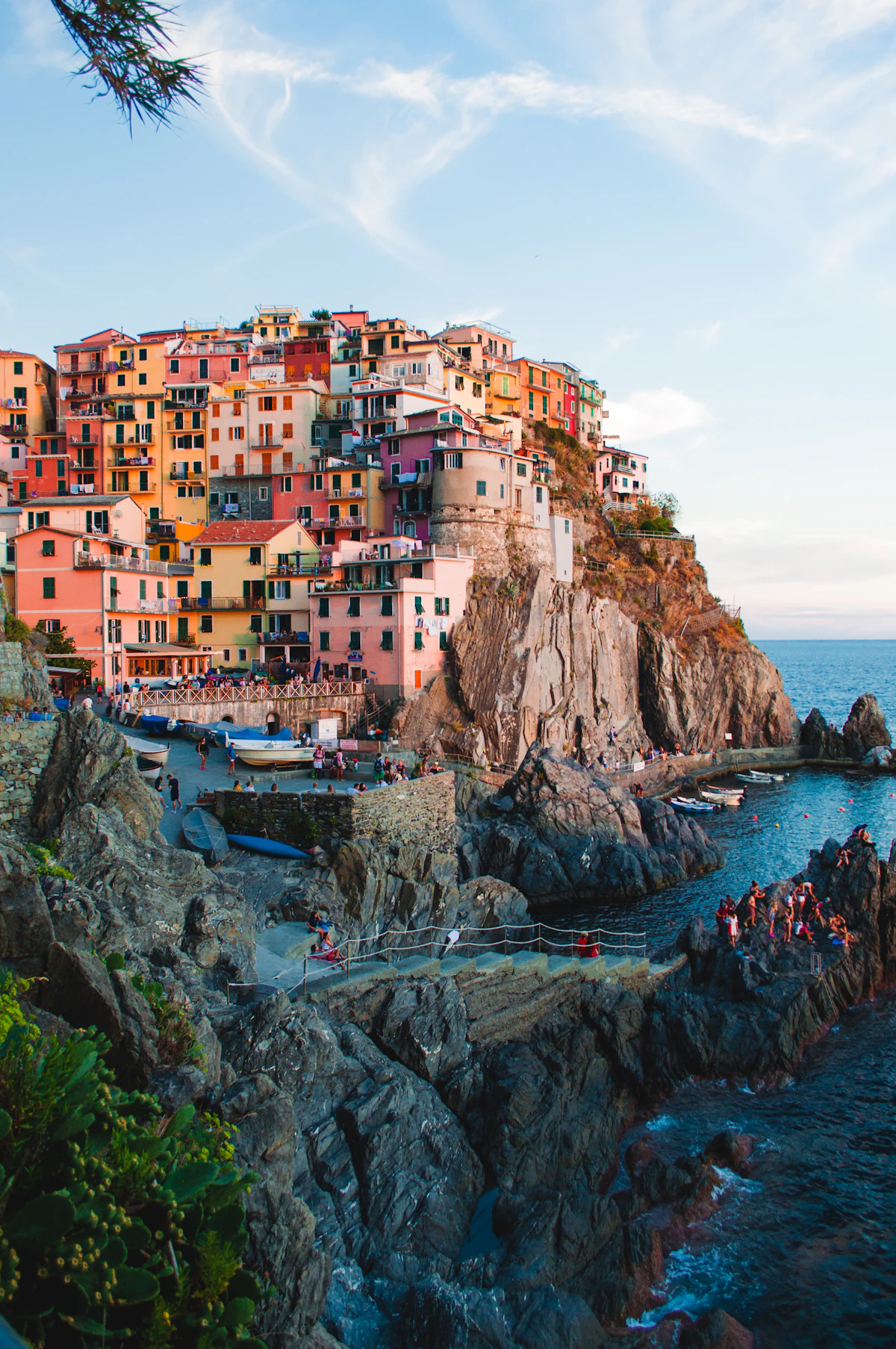
Italy is the third most visited country in the world — and for good reason. Rome, Florence, Venice, the Amalfi Coast, Tuscany, Sicily: Italy offers an almost infinite variety of travel experiences. But whether you are applying for a Schengen visa or visiting as a citizen of a visa-exempt country, understanding your medical coverage in Italy is essential.
Italy and the Schengen Insurance Requirement
Italy is a full member of the Schengen Area, which means its visa requirements and insurance obligations are governed by the Schengen Borders Code and the Schengen Visa Code. For travelers from countries that need a Schengen visa to enter Italy:
- Minimum €30,000 medical coverage required (IATI provides €50,000+)
- Repatriation must be explicitly included
- Policy must be valid for all 27 Schengen member states, not just Italy
- Coverage must begin on the first day of your visa and end on the last
- Certificate must state coverage clearly in a language the Italian consulate accepts (English is universally accepted)
Italian consulates in Latin America, Africa, and Asia process hundreds of thousands of visa applications annually. Incorrect or insufficient insurance is one of the most common causes of visa rejection. IATI's certificate format is specifically designed to avoid this outcome.
Medical Costs in Italy for Tourists: What to Expect
Italy's public health system (Servizio Sanitario Nazionale, SSN) provides excellent care to Italian residents and EU citizens carrying the European Health Insurance Card (EHIC). Non-EU tourists, however, are charged at private rates for any treatment outside of absolute life-threatening emergencies at public hospitals.
| Medical situation | Estimated cost (€) |
|---|---|
| Emergency room visit, public hospital (non-EU) | 400–1,200 |
| Private clinic consultation (Rome, Milan) | 200–500 |
| Hospitalization per night (private facility) | 800–2,500 |
| Appendectomy, private hospital | 10,000–22,000 |
| Skiing accident treatment, Alpine resort | 5,000–20,000 |
| Repatriation to non-EU country | 20,000–60,000 |
In major Italian cities, the Guardia Medica (Italian medical guard service) provides after-hours GP consultations for a small fee — but this does not extend to specialist care, diagnostics, or hospitalization. For those, private facilities are the realistic option for foreign tourists who need prompt treatment.
Italy's Specific Travel Risks by Region
Rome: Pickpocketing is endemic in tourist zones (Colosseum, Vatican, Trevi Fountain, public transport). Baggage and personal effects coverage is particularly valuable here. Heat exhaustion is common in July and August when temperatures regularly exceed 35°C.
Venice: Venice's uneven stone bridges and narrow walkways cause a high rate of trip-and-fall accidents, particularly among older travelers. The August acqua alta (high water) floods can make navigation hazardous. Medical facilities in Venice proper are limited — the main hospital (Ospedale SS. Giovanni e Paolo) is accessible by boat and serves the city well, but complex cases are transferred to Mestre on the mainland.
Amalfi Coast: Spectacular but treacherous — the coastal road is one of the most accident-prone in Europe for rental car drivers unfamiliar with its sharp curves and narrow lanes. Hiking paths (Sentiero degli Dei, Path of the Gods) involve steep terrain where ankle injuries and falls are common.
Italian Alps and Dolomites: World-class skiing in Cortina d'Ampezzo, Val Gardena, Madonna di Campiglio. Mountain rescue in Italy is handled by the Soccorso Alpino but international travelers may face significant costs for helicopter rescue — IATI covers this coordination.
Sicily and Sardinia: More relaxed pace but the ferry crossings and beach water sports create specific risk categories. Marine stings, drowning near unguarded beaches, and motorbike accidents on rural roads are the most common incidents.
IATI Plans for Italy: Which to Choose
IATI Basic (from €15–35/week): Ideal for cultural city breaks to Rome, Florence, or Milan. €50,000 medical, repatriation, baggage loss. Satisfies Schengen visa requirements.
IATI Standard (from €25–55/week): Recommended for multi-city trips, coastal travel, or any itinerary involving physical activity. €150,000 medical, dental emergencies, sports coverage for hiking, cycling, water activities.
IATI Premium (from €40–90/week): For skiing, adventure sports, senior travelers, or anyone wanting maximum protection. €500,000 medical, no deductible, full sports coverage including off-piste skiing and via ferrata climbing.
IATI Annual/Nomad: For digital nomads using Italy's new Digital Nomad Visa (introduced 2024, valid 1 year), long-term students, or frequent travelers who visit Italy and other countries multiple times per year.
Italy Digital Nomad Visa 2026: Insurance Requirements
Italy launched its official Digital Nomad Visa (Visto D) in 2024. To qualify, applicants must demonstrate health insurance valid for the duration of their stay in Italy. The visa is valid for 1 year and allows residence in Italy with remote work authorization.
IATI's annual long-term plans satisfy this requirement: they provide continuous coverage for 12 months, include medical treatment in Italy at private facilities, and provide a certificate clearly stating the coverage period and medical limits. Francisco Viloria can advise on the specific documentation format that Italian immigration authorities accept.
Emergency Medical Resources in Italy for Tourists
The emergency number in Italy is 118 (ambulance and medical emergencies), 112 (European emergency number, works in Italy). Major cities have well-distributed hospitals with good English capability in tourist areas.
Recommended private hospitals with international patient experience: Salvator Mundi International Hospital (Rome), Humanitas Research Hospital (Milan), Villa Donatello (Florence). For IATI policyholders, the 24/7 assistance line can direct you to the nearest appropriate facility and coordinate direct billing — eliminating the need to pay large sums upfront.
Get Your IATI Quote — Instant Certificate
Medical coverage from €50,000, zero upfront payment, 24/7 telemedicine, and an instant PDF certificate accepted by embassies worldwide.
Get your free quote →