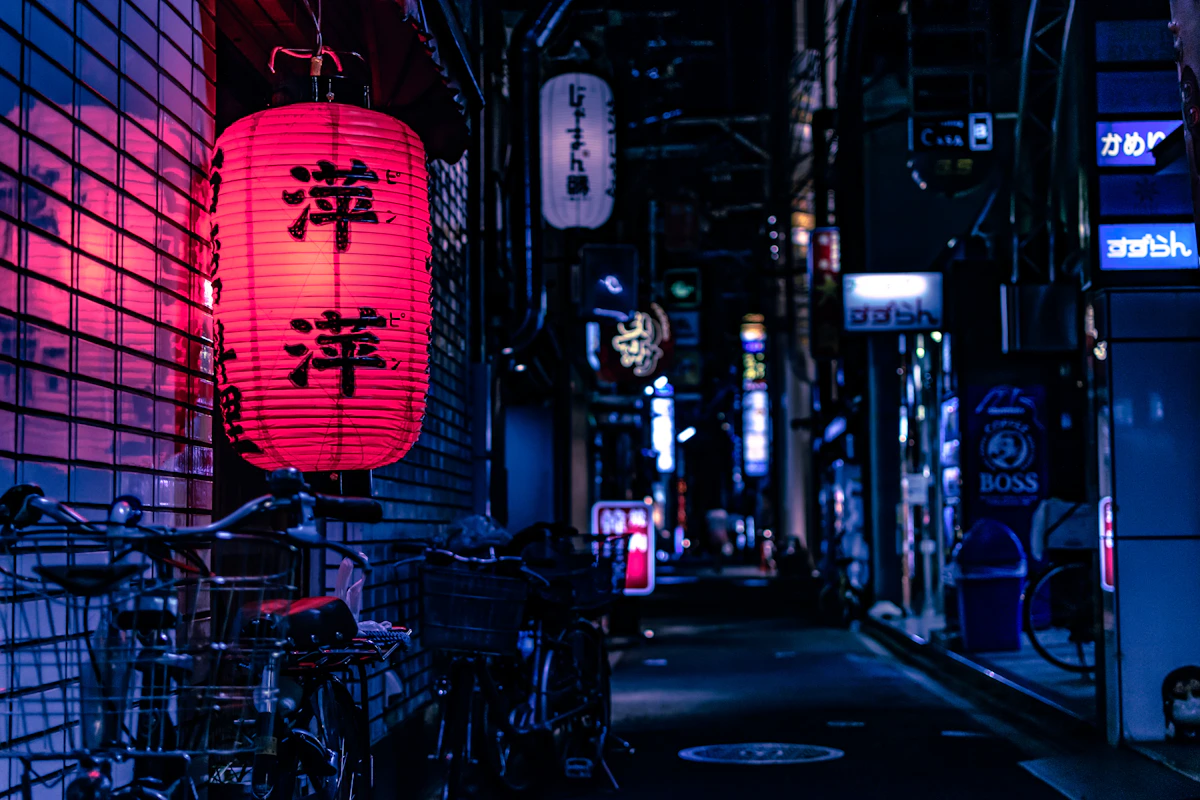
Japan has transformed from a niche destination into one of the world's most visited countries, with record-breaking tourist arrivals post-pandemic. From the temples of Kyoto and the neon of Tokyo to the powder snow of Hokkaido and the tropical beaches of Okinawa, Japan's diversity is extraordinary. What is less well-known to first-time visitors: Japan's healthcare system, while outstanding for residents, charges foreign tourists at full market rates with no access to the national insurance system.
Japan's Healthcare System and Foreign Tourists
Japan's national health insurance (Kokumin Kenko Hoken) covers Japanese residents and registered foreign nationals who pay into the system. Tourists — regardless of nationality — have no access to subsidized healthcare. Treatment is available at any hospital, but the bills arrive at full price.
The good news: Japan's medical quality is among the world's highest. Hospitals in Tokyo, Osaka, Kyoto, and other major cities often have English-speaking staff or can arrange interpretation. The infrastructure is reliable and excellent.
The financial reality: those same excellent hospitals charge accordingly. A broken ankle requiring surgery and a 3-day hospital stay in Osaka will cost approximately USD 8,000–20,000 before the tourist boards their flight home.
Real Hospital Costs for Tourists in Japan (2026)
| Medical situation | Estimated cost (USD) |
|---|---|
| Emergency room visit, major city hospital | 400–1,500 |
| Hospital stay per night | 500–1,500 |
| Broken bone, surgery (e.g., ski accident) | 8,000–25,000 |
| Appendectomy, full treatment | 10,000–30,000 |
| Heart attack treatment, Tokyo | 25,000–100,000 |
| Medical repatriation to USA/Europe | 30,000–90,000 |
Many Japanese hospitals require upfront payment or insurance guarantee before providing non-emergency treatment. Having an IATI policy means the assistance team can provide this guarantee directly to the hospital — preventing the situation where you are treated after paying tens of thousands of dollars at the emergency desk.
Japan-Specific Travel Risks
Earthquakes: Japan experiences thousands of minor earthquakes annually. Major seismic events (like the 2024 Noto Peninsula earthquake) cause injuries from falling objects, building damage, and post-quake complications. IATI covers medical treatment resulting from earthquake injuries — not property loss, but the physical consequences.
Hokkaido Skiing: Niseko, Furano, and Rusutsu receive some of the world's deepest powder snow. Japanese ski resorts have excellent infrastructure but backcountry skiing carries avalanche risk. Ski injuries in Japan require the same level of private-rate hospital treatment. IATI Standard covers recreational skiing; backcountry and off-piste requires Premium.
Hiking Mount Fuji: The Fuji climbing season (July–September) sees 200,000+ climbers annually. Altitude sickness affects climbers above 3,000m (the summit is 3,776m). Fujisan Comprehensive Rescue System coordinates rescues, but non-Japanese tourists may face costs. IATI covers altitude-related medical treatment on Mount Fuji.
Japan's Summer Heat: July–August temperatures regularly exceed 35°C in Tokyo and Osaka, with high humidity. Heatstroke is a serious medical emergency requiring immediate treatment. IATI covers heatstroke treatment.
Food Allergies in Japan: Japanese cuisine contains numerous common allergens (sesame, seafood, soy, wheat). Communication about allergies can be challenging despite Japan's generally excellent service. IATI covers treatment for allergic reactions including anaphylaxis.
Nightlife and Ropppongi District (Tokyo): Certain areas have reports of tourist-targeting drink spiking incidents. IATI covers treatment for any medical emergency resulting from these situations.
Japan Entry Requirements for Major Nationalities (2026)
Japan restored visa-free travel for most nationalities after pandemic restrictions ended. Citizens of the USA, UK, EU, Canada, Australia, and most Western countries enter Japan visa-free for stays up to 90 days. No travel insurance is required at entry.
In 2024, Japan introduced a symbolic Tourist Tax of JPY 1,000 per departure — a very small cost compared to travel insurance. The contrast highlights Japan's approach: welcome tourists generously while ensuring individual financial responsibility for any services consumed.
IATI Plans for Japan
IATI Basic: For urban sightseeing (Tokyo, Kyoto, Osaka, Hiroshima). Medical €50,000, repatriation, baggage. Approximately €20–40 for 2 weeks under age 45.
IATI Standard: For hiking, skiing, cycling, and longer itineraries. €150,000 medical, sports coverage, dental emergencies, cancellation. Recommended for most Japan travelers.
IATI Premium: For backcountry skiing in Hokkaido, technical mountain activities, senior travelers, or anyone seeking maximum coverage with zero deductible.
IATI Annual: Japan's digital nomad scene is growing — for frequent travelers or long-term stays, the annual plan covers Japan and all international travel throughout the year.
Get Your IATI Quote — Instant Certificate
Medical coverage from €50,000, zero upfront payment, 24/7 telemedicine, and an instant PDF certificate accepted by embassies worldwide.
Get your free quote →