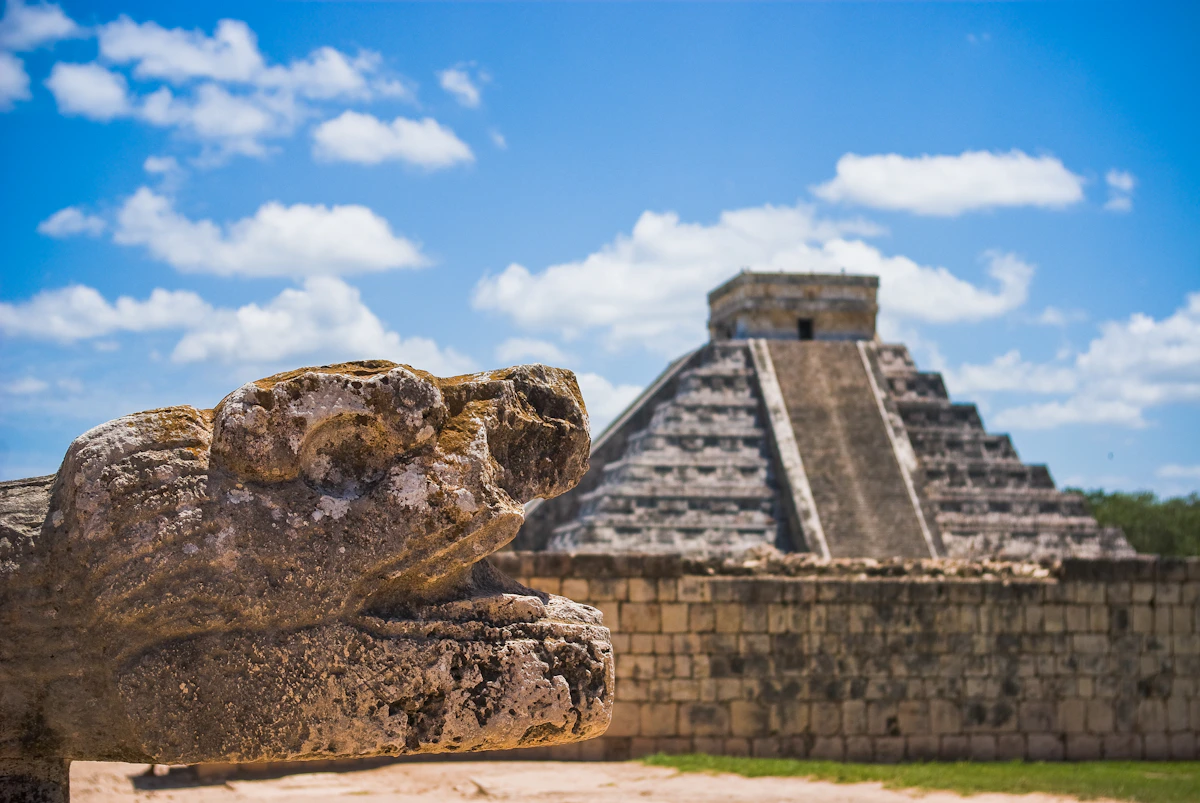
Mexico is the most visited country in Latin America and one of the top ten globally, welcoming over 40 million international tourists annually. From Cancún's white beaches to Mexico City's world-class museums and Oaxaca's colonial charm, Mexico offers extraordinary diversity. But medical costs at private hospitals — the only realistic option for foreign tourists needing quality care — make travel insurance essential.
Mexico's Healthcare Reality for International Tourists
Mexico's public healthcare system (IMSS, ISSSTE) is for Mexican citizens and registered workers. Foreign tourists have no access to subsidized public care. In practice, this means that any medical attention for a foreign visitor involves private sector hospitals and clinics — at international rates that often exceed what you would pay in the United States for equivalent procedures.
Paradoxically, private hospital rates in Cancún — a resort town designed around international tourism — are among the highest in all of Mexico. The major private hospitals in the Hotel Zone (Hospital Amerimed, Hospiten, Hospital Galenia) charge premium rates because they know their clients are primarily insured North Americans and Europeans whose insurers pay without negotiation.
Mexico City's top private hospitals (Hospital Ángeles, Torre Médica del Pedregal, Hospital ABC) have international medical standards but also international pricing.
Real Medical Costs for Tourists in Mexico
| Medical event | Estimated cost (USD) |
|---|---|
| Emergency room visit (private hospital, Cancún) | 500–1,500 |
| One night in private hospital | 800–2,500 |
| Scuba diving accident (decompression sickness, hyperbaric) | 3,000–15,000 |
| ATV or jeep accident, surgery | 8,000–30,000 |
| Appendectomy (surgery + 3-day stay) | 10,000–25,000 |
| Heart attack treatment | 20,000–80,000 |
| Medical evacuation to USA/Canada | 25,000–80,000 |
The IATI Standard plan premium for 2 weeks in Mexico for a traveler under 45: approximately €35–55. Against USD 80,000+ in potential costs, this is not optional — it is necessary infrastructure.
Specific Risks by Mexican Destination
Cancún and Riviera Maya (Playa del Carmen, Tulum): Water sports are the dominant risk category. Snorkeling at Cenotes (sinkholes), scuba diving in the Great Mesoamerican Reef, kite surfing at Tulum, ATV tours through jungle — all carry injury risk. The cenotes are particularly hazardous for non-experienced swimmers: strong currents and disorientation in underwater caves have caused fatalities. IATI covers all these recreational activities.
Mexico City (CDMX): Air quality alerts affect travelers with respiratory conditions. Urban crime (robbery, express kidnapping in certain neighborhoods) is a reality that affects baggage and personal security coverage. The city is at 2,240m altitude — some travelers experience altitude adjustment symptoms arriving from sea level.
Oaxaca and Chiapas: Food-borne illness risk is higher than in resort areas due to street food consumption patterns among adventurous travelers. GI infections requiring IV rehydration at a local clinic are common. IATI covers these medical costs.
Baja California: Whale watching, sport fishing, ATV tours, road trips on Baja Highway 1 — all with significant accident risk. Medical infrastructure outside Cabo San Lucas and La Paz is limited.
Copper Canyon (Chihuahua): Remote, high altitude (up to 2,400m), limited medical infrastructure. Train journey on the Chepe (Ferrocarril Chihuahua al Pacífico) runs through remote areas where evacuation requires significant planning.
Mexico Travel Safety in 2026: What Insurance Covers vs. What It Does Not
The US State Department maintains travel advisories for various Mexican states. As of 2026, certain states have Level 3 (Reconsider Travel) or Level 4 (Do Not Travel) advisories based on cartel activity. IATI covers medical treatment resulting from any incident in Mexico, including in areas with travel advisories — the policy does not exclude specific geographic zones within Mexico.
What IATI does not cover: losses resulting from voluntary participation in illegal activities, or from deliberately entering areas cordoned off by official security forces. Standard crime-related medical needs (mugging, robbery where physical injury occurred) are covered.
For travelers concerned about security, IATI's assistance line can also advise on nearest medical facilities and safe evacuation routes in non-emergency planning situations.
Water Sports and Scuba Diving Coverage in Mexico
Mexico's Caribbean coastline is one of the world's great dive destinations: Cozumel, the Mesoamerican Barrier Reef, and dozens of cenote dive sites. Decompression sickness (DCS, or "the bends") is the primary medical risk for divers, and treatment requires a hyperbaric chamber.
Hyperbaric chambers in Cancún area: Hospital Amerimed in the Hotel Zone and Hospital Galenia both have hyperbaric facilities. Cost of a single hyperbaric session: approximately USD 1,500–3,000. Multiple sessions may be required.
IATI Standard and Premium plans cover recreational scuba diving up to standard dive depths (40m). Technical diving (decompression dives, cave diving, rebreather diving) requires specific coverage upgrade — contact Francisco to confirm.
Mexico Entry Requirements for International Travelers 2026
Mexico is one of the most accessible countries in the world for tourism: citizens of the USA, Canada, EU, UK, Australia, Japan, South Korea, and most Latin American countries enter visa-free for stays up to 180 days as tourists. Citizens of some African and Asian countries require a visa from a Mexican consulate.
All arriving tourists complete a Forma Migratoria Múltiple (FMM) card, which has been digitized and is now processed electronically at entry. The FMM allows tourist stays up to 180 days. No insurance requirement is stated on the FMM or at border crossing — coverage is entirely the traveler's responsibility.
Get Your IATI Quote — Instant Certificate
Medical coverage from €50,000, zero upfront payment, 24/7 telemedicine, and an instant PDF certificate accepted by embassies worldwide.
Get your free quote →