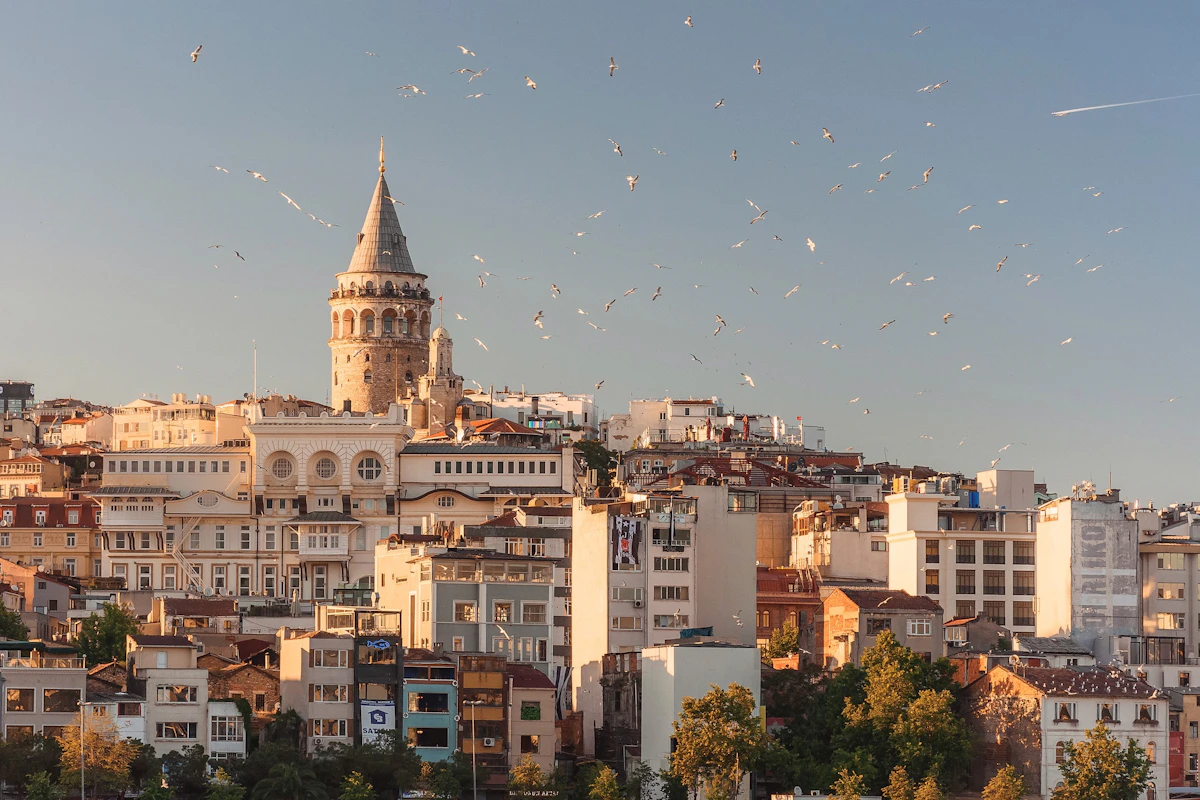
Turkey is one of the great crossroads of the world — a country where Europe meets Asia, where ancient civilizations left extraordinary legacies, and where dramatic landscapes from the volcanic valleys of Cappadocia to the turquoise Mediterranean coast continue to astonish visitors. Istanbul, with its Byzantine and Ottoman heritage, is consistently ranked among the world's most captivating cities. For travelers from around the world, Turkey offers extraordinary value and extraordinary experiences — with some specific risks worth understanding.
Healthcare in Turkey for International Visitors
Turkey has developed a significant private healthcare sector, particularly in Istanbul and Ankara. International hospitals like Acıbadem, Memorial, Medicana, and American Hospital Istanbul provide care comparable to Western European standards. These facilities have English-speaking staff, international patient coordinators, and accept direct billing from most international travel insurers including IATI.
Outside major urban centers, healthcare quality varies significantly. Cappadocia, the Aegean coast, and other tourist regions have basic facilities adequate for minor emergencies, but serious cases may require air evacuation to Istanbul or Ankara.
Healthcare costs in Turkey for tourists (2026):
| Medical situation | Cost estimate (USD) |
|---|---|
| Emergency room visit, private hospital | 300–1,500 |
| Hospital stay per night | 500–2,500 |
| Appendectomy (full treatment) | 8,000–25,000 |
| Air evacuation from Cappadocia to Istanbul | 5,000–20,000 |
| Medical repatriation | 20,000–60,000 |
Turkey-Specific Risks for Travelers
Cappadocia balloon rides: Hot air balloon flights over the fairy chimneys of Göreme Valley are among Turkey's most iconic experiences — and one of the world's busiest commercial balloon operations. Incidents are rare but do occur: forced landings, basket rollovers on landing, and midair collisions during high-density flight windows (sunrise flights with dozens of balloons in the air simultaneously). IATI covers accidents during licensed balloon flights.
Seismic risk: Turkey is one of the world's most seismically active countries. The February 2023 earthquake (Kahramanmaraş, 7.8 magnitude) reminded the world of this reality. Istanbul sits near the North Anatolian Fault, and seismologists predict a major Istanbul earthquake within decades. IATI covers medical emergencies and additional expenses resulting from natural disasters, including earthquakes.
Coastal water activities: The Aegean and Mediterranean coasts of Turkey — Bodrum, Marmaris, Antalya, Fethiye — are water sports paradises. Parasailing, jet skiing, boat trips, and cliff diving at Ölüdeniz create typical water sports risk profiles covered by IATI.
Gastroenteritis: "Turista" (traveler's diarrhea) is common in Turkey, particularly from street food and less carefully managed buffets at all-inclusive resorts. The resort areas of Antalya, Belek, and Alanya see significant cases among tourist visitors each season.
Road travel: Turkey has improved its road infrastructure significantly, but traffic accidents remain common. Intercity bus travel between major cities is generally safe on licensed carriers. Rural roads and driving in Istanbul require particular care.
Get Your IATI Quote — Instant Certificate
Medical coverage from €50,000, zero upfront payment, 24/7 telemedicine, and an instant PDF certificate accepted by embassies worldwide.
Get your free quote →