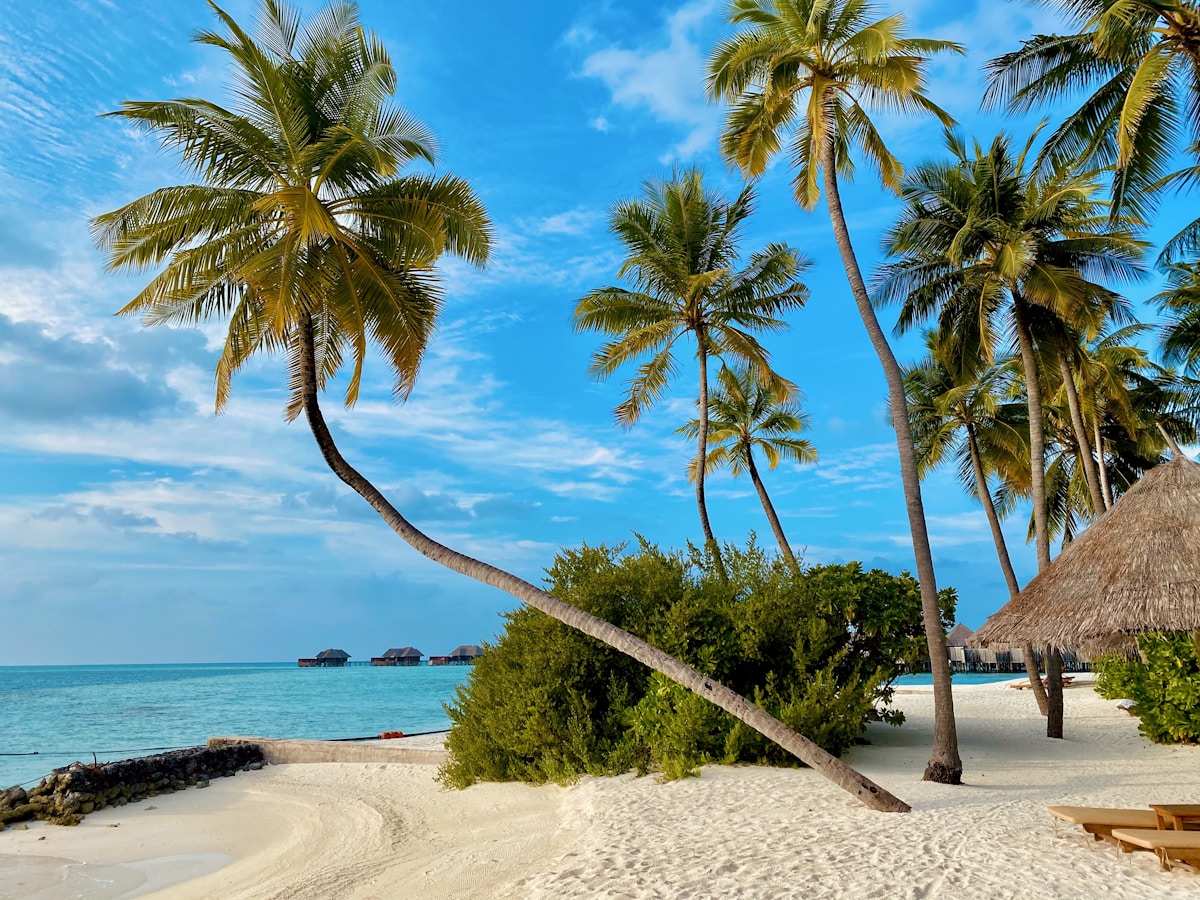
The Pacific Islands are among the world's most remote inhabited destinations. Beautiful, remote, and medically challenging. Here is what you need to know before you go.
Healthcare Reality in the Pacific Islands
Fiji has the best medical infrastructure in the Pacific: Colonial War Memorial Hospital in Suva and Lautoka Hospital in the west, plus private options (Suva Private Hospital). Samoa, Tonga, Vanuatu and Solomon Islands have very basic facilities. Serious cases require evacuation to New Zealand or Australia.
Medical Evacuation: The Critical Issue
Fiji to Auckland: 2,300km. Tonga to Auckland: 2,000km. Vanuatu to Brisbane: 1,700km. Medical evacuation flights from remote Pacific islands cost USD 10,000-50,000 depending on aircraft type and distance. Without insurance, you pay in full. IATI covers all evacuation costs.
Diving in the Pacific
The Pacific Islands are among the world's top scuba diving destinations: Rainbow Reef (Fiji), the SS President Coolidge wreck (Vanuatu), and the Palau Rock Islands. IATI covers recreational diving to 20 meters depth, including decompression sickness treatment (hyperbaric chamber).
Cyclone Season
The Pacific cyclone season runs November to April. Major tropical cyclones can affect Fiji, Vanuatu, Samoa and Tonga. IATI covers medical emergencies related to cyclone events but does not cover trip disruption or cancellation due to weather.
Surfing in Samoa and Fiji
Samoa (Savaii's surf breaks) and Fiji (Cloudbreak, Restaurants) have world-class surf. IATI covers surfing injuries, including the most common: lacerations from reef, broken bones, shoulder dislocations. Surf at appropriate breaks for your skill level.
Get protected before your next trip
Medical coverage from EUR 50,000, zero upfront payment, 24/7 telemedicine, instant certificate. Valid for all visa types in 200+ countries.
Quote free — get special discount →